
About India
Discover a country where thousands of years of history blend seamlessly with vibrant modern life. India stretches from the world’s highest mountain ranges in the north to serene tropical coastlines in the south, offering unparalleled diversity in landscapes, cultures, cuisines, and traditions. Every region tells its own story—shaped by ancient kingdoms, spiritual heritage, and living cultural traditions.
Capital: New Delhi
Population: 1.4+ billion
Area: 3.287 million km²
Official Languages: Hindi & English (22 additional regional languages recognized)
Government: Federal Parliamentary Republic
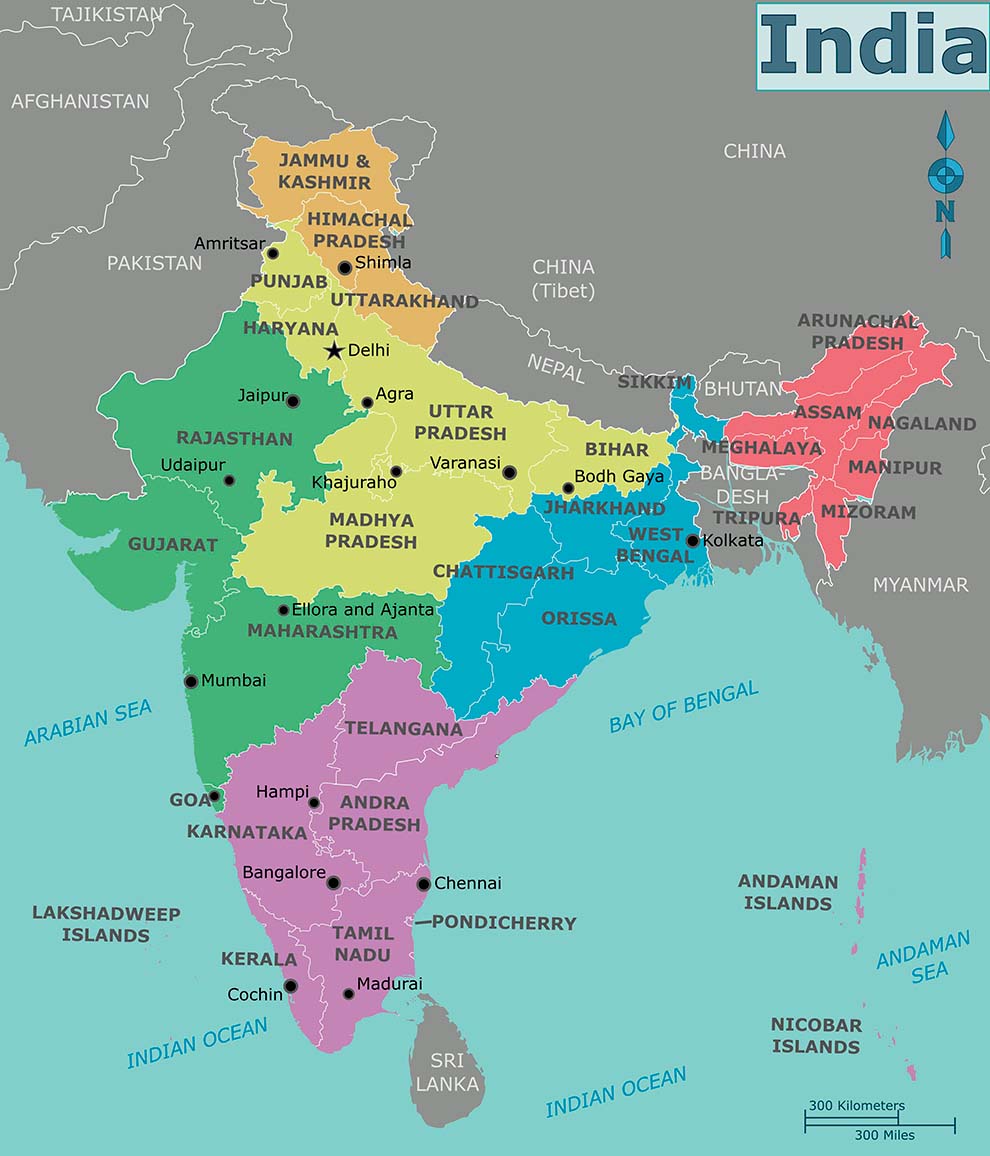
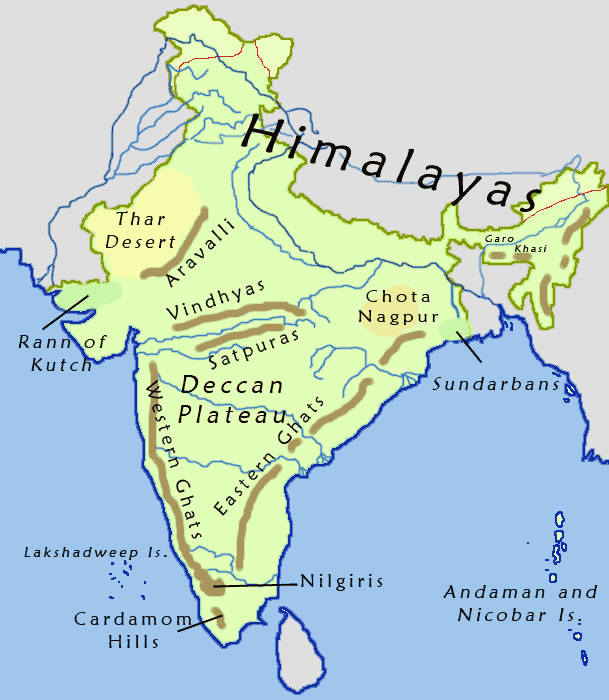
Geography & Landscape
India’s vast geography greatly influences travel planning, creating distinct regions with unique experiences.
The Himalayas – Northern India’s crown, featuring world-famous peaks, alpine forests, valleys, and hill towns.
The Northern Plains – Fertile river plains formed by the Ganga, Yamuna & Brahmaputra; home to major cities and cultural centres.
The Thar Desert (Rajasthan) – Golden dunes, camel caravans, forts, and desert culture.
The Deccan Plateau – Ancient volcanic plateaus, forests, and historic temple towns.
The Western & Eastern Ghats – Mountain chains rich in biodiversity, coffee estates, wildlife, and waterfalls.
7,500+ km of Coastline – Beaches, fishing villages, ports, and backwaters along the Arabian Sea, Bay of Bengal & Indian Ocean.
Islands – Andaman & Nicobar and Lakshadweep offer coral reefs and tropical escapes.
States & Territories – 29 states and 8 union territories, each with its own geography, culture & identity.
Climate in India
India’s climate changes dramatically from region to region:
Northern Mountains (Himalayas)
Summer: Pleasant & cool
Winter: Very cold; heavy snowfall in many areas
North & Central Plains
Summer: Hot (35–45°C)
Monsoon (Jun–Sep): Heavy rains
Winter: Cool, dry, pleasant
Western India (Rajasthan, Gujarat)
Summer: Extremely hot & dry
Winter: Mild and comfortable
Southern India
Tropical climate year-round
Coastal areas: humid
Hill stations: cooler temperatures
Monsoon Season (June–September)
Major rainfall across most of the country; lush landscapes and vibrant festivals.
Understanding seasonal variations is essential for planning sightseeing, trekking, wildlife visits, and beach holidays.
Practical Information for Travellers
Mobile, Internet & Utilities
- Mobile networks widely available, including 4G & 5G in major regions
- Local SIM cards easily available at airports & city outlets
- Electricity: 230V, Type C/D/M plugs
- Online banking & ATMs widely available
Currency
- Indian Rupee (INR)
- ATMs common in most cities; card payments widely accepted
Opening Hours
- Shops: usually 10:00–21:00
- Markets/souqs: morning & evening sessions common
- Monuments: mostly sunrise to sunset
- Malls & larger stores open daily
WEEKEND & CULTURAL OBSERVANCES
- Weekend: Saturday & Sunday in most regions
- Festivals: India celebrates numerous festivals (Diwali, Eid, Holi, Pongal, Durga Puja), which may affect travel timings
- Religious sites: Dress modestly; remove shoes at temple entrances
LOCAL CULTURE
Respecting customs for a meaningful experience
India welcomes visitors warmly, and cultural sensitivity enhances the journey:
- Dress modestly in traditional and religious areas
- Always remove shoes before entering temples
- Public displays of affection are discouraged in rural & religious areas
- Accept offerings (like prasad or tea) with your right hand
- Bargaining is common in local markets
PHOTOGRAPHY GUIDELINES
- Ask permission before photographing individuals, especially women or in rural areas
- Photography may be restricted in temples, military sites, airports & government buildings
- Drone usage requires prior approval in many regions
TRAVEL TIPS
Hotel Check-in: usually 14:00; check-out at 12:00
Transportation:
- Pre-book reputable taxis or app-based services
- Trains require advance reservation
- Domestic flights connect major cities efficiently
Desert, Mountain & Forest Travel:
- Avoid travelling after dark in remote areas
- Carry essentials like water, snacks, a flashlight & appropriate clothing
Food & Drinks:
- Drink bottled or filtered water
- Street food is delicious but choose clean, busy stalls
Solo Female Traveller
India is generally welcoming to solo female travellers, especially in tourist regions.
Tips include:
- Dress modestly to respect local customs
- Use trusted transportation
- Avoid isolated areas after dark
- Choose reputable hotels and guided tours for remote regions
Smoking, Alcohol, & Food Safety
Smoking
- Allowed only in designated areas
- Banned in most public indoor spaces
Alcohol
- Available in hotels and licensed venues
- Restricted or prohibited in certain states (e.g., Gujarat)
Food Safety
- Stick to bottled water
Freshly cooked food is best, especially in rural areas
Tipping Guidelines
- Restaurants: 10–20% depending on service
- Drivers: ₹1500–₹2000 per day (depending on region/service level)
- Guides: ₹2500–₹3500 per day
Emergency Contacts
- Police / Fire / Ambulance: 112
- Tourist Helpline (24/7, multilingual): 1800-11-1363
- Women’s Helpline: 1091