BLACK DOVE HOLIDAYS · OMAN

Oman

The last authentic Arabia

Private journeys through mountains, deserts, coastlines and centuries of living tradition—in a country that chose to remain itself. Safe, welcoming and remarkably diverse, Oman rewards travellers who value authenticity over spectacle.

WHY OMAN

A country that chose to remain itself.

While the rest of the Gulf built skylines, Oman built nothing it did not need. While its neighbours filled their deserts with spectacle, Oman kept its deserts empty. The decision was deliberate—a country that understood what it had and chose, quietly and consistently, to protect it. The result is something that has become almost impossible to find in this part of the world: Arabia as it actually is, not as it has been constructed for visitors to consume.

Oman is the only country in the Arabian Peninsula where you can still feel—genuinely feel—what this part of the world was before the oil, before the towers, before the airports.

This is not nostalgia. Oman is a prosperous, modern, outward-looking nation. Its roads are excellent, its hotels world-class, its people among the most educated and widely travelled in the region. But it has held something that its neighbours have let go: a living connection to its own history, its own landscape, its own way of receiving a guest. That quality is the reason discerning travellers are discovering Oman now—and returning, without exception, for more. 

Authenticity

History that has never been staged

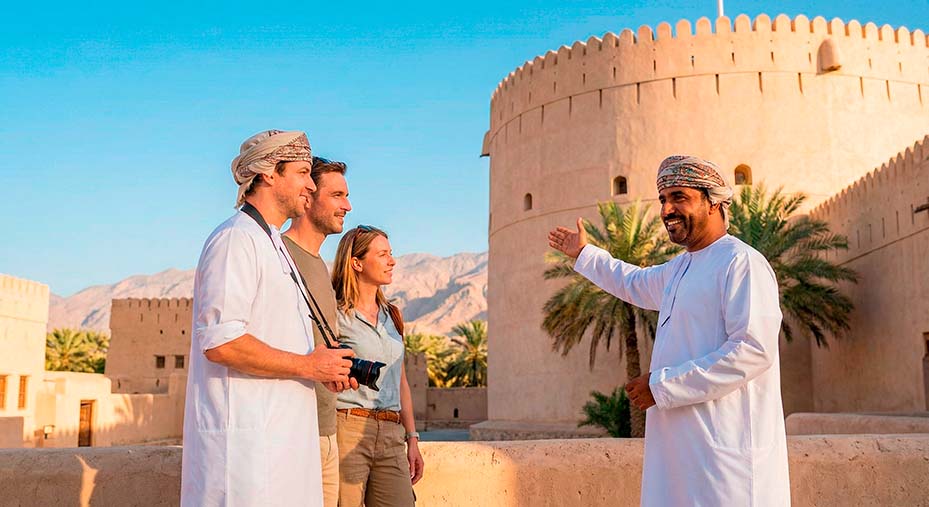
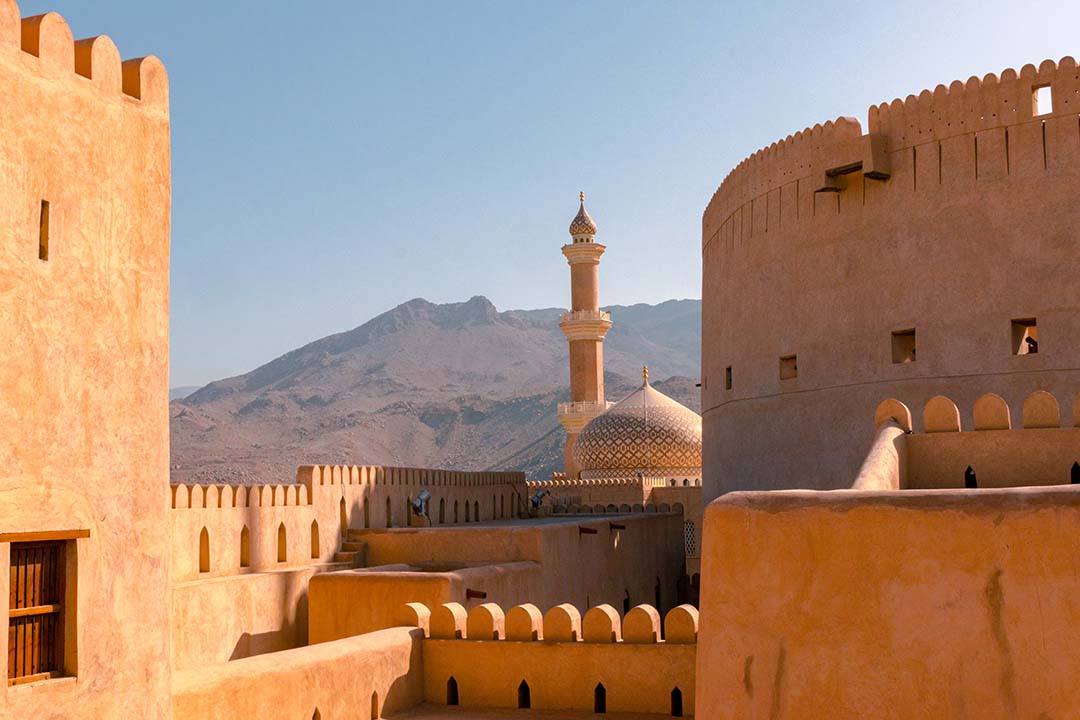
Ancient forts, living souqs, working dhow harbours and mountain villages that have changed in pace and character very little across centuries. Nothing here was built to be photographed.

Hospitality

The warmest welcome in Arabia

Omani hospitality is legendary for a reason. Coffee and dates offered to strangers, conversations begun without agenda, an openness to foreign visitors that is genuine rather than commercial. It is the culture, not the tourism industry.

Landscape

Five distinct worlds in one country

From the fjords of Musandam to the dunes of Wahiba, from the green mountains of Jebel Akhdar to the ancient frankincense groves of Salalah—Oman contains more natural variety than countries ten times its size.

LUXURY HERE

Understated. Spacious. Entirely itself.

Luxury in Oman is a different proposition from luxury elsewhere in the Gulf. It is not measured in height or spectacle. It is measured in space—the space between your tent and the next, the view from your private terrace, the absence of crowds at a site that, in another country, would require timed entry tickets and a queuing system.

In Oman, luxury is what is not there: not the noise, not the crowds, not the performance. What remains is the country itself—and that is more than enough.

Privacy

Space that cannot be manufactured

Oman simply has more of it—more sky, more desert, more coastline, more silence. The ratio of landscape to visitor is unlike anywhere else in the region.

Exclusivity

Access before mass tourism arrives

Oman is at a particular moment—discovered by discerning travellers, not yet overwhelmed by them. The window for experiencing it as it is now will not remain open indefinitely.

Authenticity

Culture that has not been packaged

The souqs are working souqs, the forts are inhabited history, the villages are home to people who live there. Nothing has been curated for the visitor’s comfort. Everything is simply real.

World-class properties

Hotels that match the landscape

The Chedi, the Anantara Al Jabal, Canvas Club, Six Senses Zighy Bay—Oman has quietly assembled a collection of luxury properties that match the best anywhere in the world. The difference is what surrounds them.

WHERE TO STAY

Places to stay that are destinations in their own right

From cliffside retreats above deep canyons to luxury desert camps and elegant coastal resorts, Oman’s finest hotels carry the character of the landscape that surrounds them. We select each property for what it adds to the journey, not merely for its star rating.

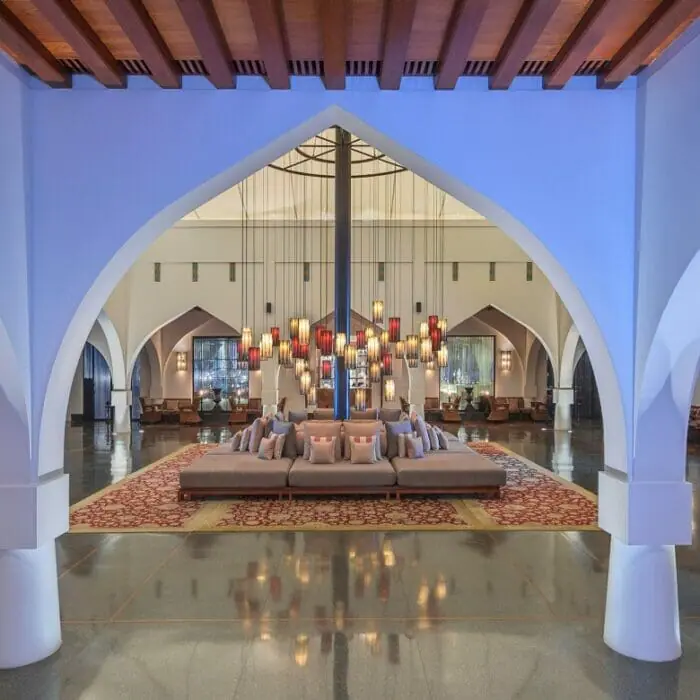
Chedi Muscat Lobby
COAST · MUSCAT

The Chedi Muscat

Muscat · Arabian Sea

Set along a stretch of private beach in Muscat’s diplomatic quarter, The Chedi is one of the finest urban resorts in the Middle East—a study in restraint, with long low buildings, still reflecting pools and interiors that balance Omani craftsmanship with contemporary elegance. The longest pool in the region. A spa that earns its reputation. The ideal base for exploring the old city.
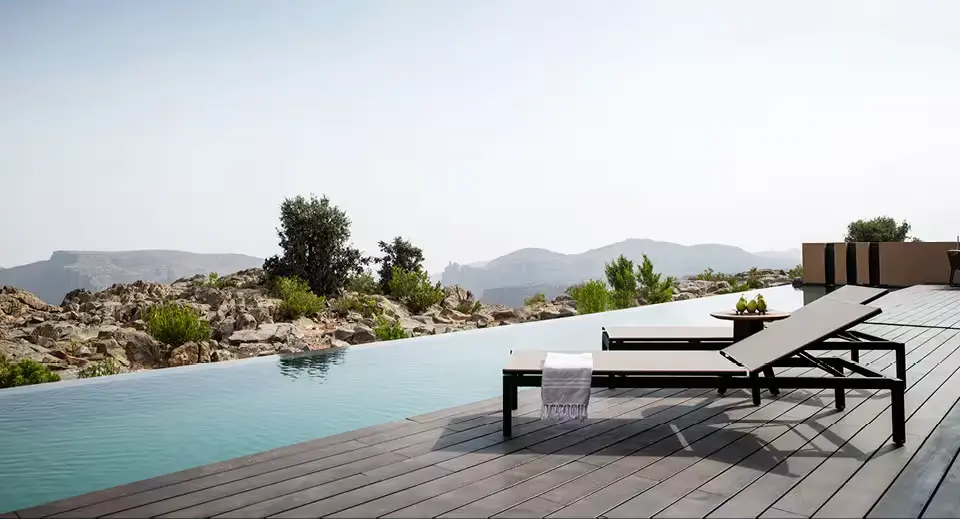
Private Pool at Anantara Jabal Akhdar's One Bedroom Cliff Pool Villa
MOUNTAIN · JEBEL AKHDAR

Anantara Al Jabal Al Akhdar

Jebel Akhdar · 2,000m elevation

Perched at the edge of a sheer canyon at 2,000 metres, Anantara Al Jabal Al Akhdar offers perhaps the most dramatic hotel setting in Arabia. Rose gardens, terraced walks and infinity views over cliffs that drop hundreds of metres to a wadi below. The cool mountain air—remarkable in a Gulf country—makes this the most unexpected luxury experience in Oman, and for many guests, the most memorable.
DESERT · WAHIBA SANDS

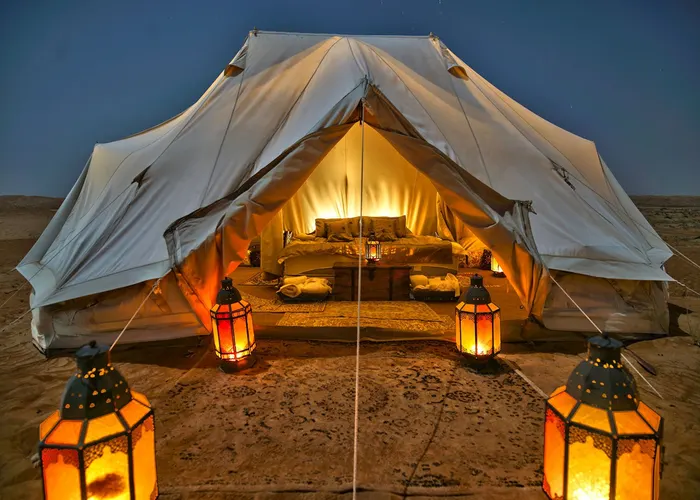
Canvas Club Oman

Wahiba Sands · Desert

Not a camp that happens to be in the desert—a camp designed from the ground up to make the desert itself the experience. Canvas Club Oman sits amongst the dunes of the Wahiba with a lightness of touch that few desert properties achieve: beautiful tents, exceptional food and a philosophy that prioritises the landscape over the amenity. The nights here—beneath one of the world’s clearest skies—are worth the journey alone.
WHAT TO DO

Experiences that define Oman

These are not activities on an itinerary. They are the moments Oman’s travellers describe years later—precise, unexpected and entirely unrepeatable.

A night in the desert under open sky

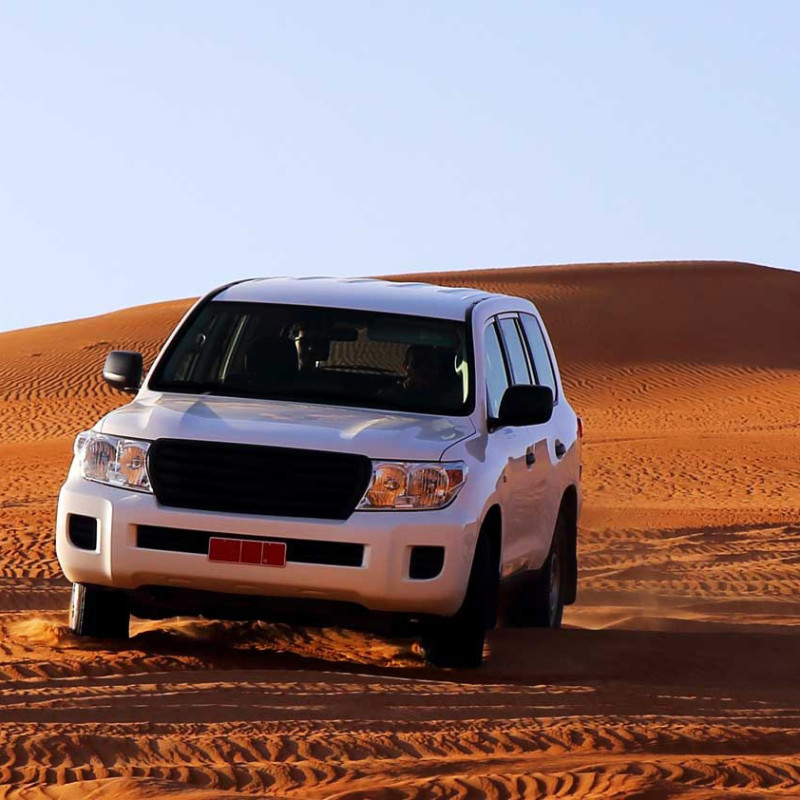
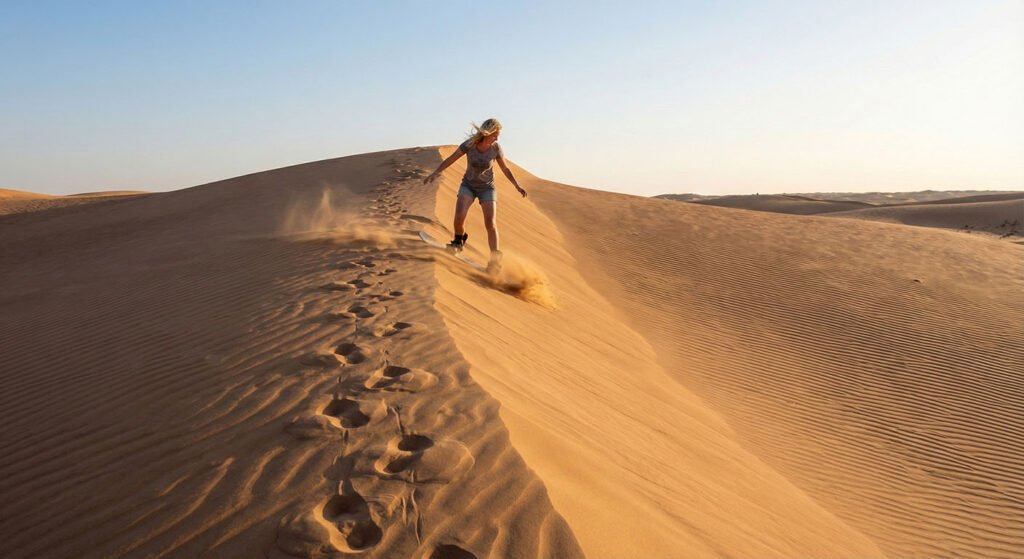
The Wahiba Sands on a clear night offers a sky that most of us have never seen. No light pollution, no sound, no movement but the wind reshaping the dune ridges. This is the experience that converts a good Oman journey into an unforgettable one—and it requires nothing more than silence and time to be extraordinary.

Dolphin watching at sunrise

The waters off Muscat’s coast carry one of the world’s largest resident populations of spinner dolphins. A private boat at first light—before the heat, before anything else moves—and an hour among hundreds of them, performing for no audience and with no awareness of being watched. One of the gentlest wildlife experiences available anywhere.

Wadi exploration

Oman’s wadis are its best-kept secret. Ancient riverbeds cutting through limestone mountains, arriving without warning at pools of turquoise water beneath sheer canyon walls. Wadi Shab, Wadi Bani Khalid, the Grand Canyon of Arabia at Wadi Nakhr—each is a landscape that asks you to slow down, move carefully and look closely. None can be rushed.

Mountain villages of the interior

The villages of the Hajar and the Jebel Akhdar plateau have endured for centuries—stone houses built into cliff faces, ancient falaj irrigation channels still carrying water to terraced gardens of roses and pomegranates. To walk through them with a guide who knows the families, the history and the stories is to encounter an Oman that most visitors never see.

Traditional dhow at sunset

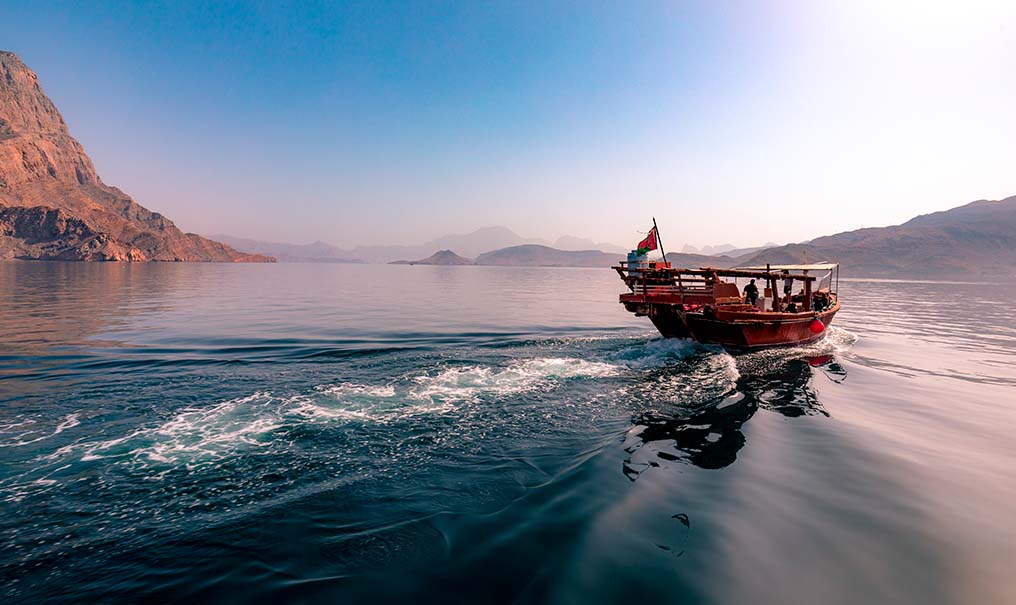
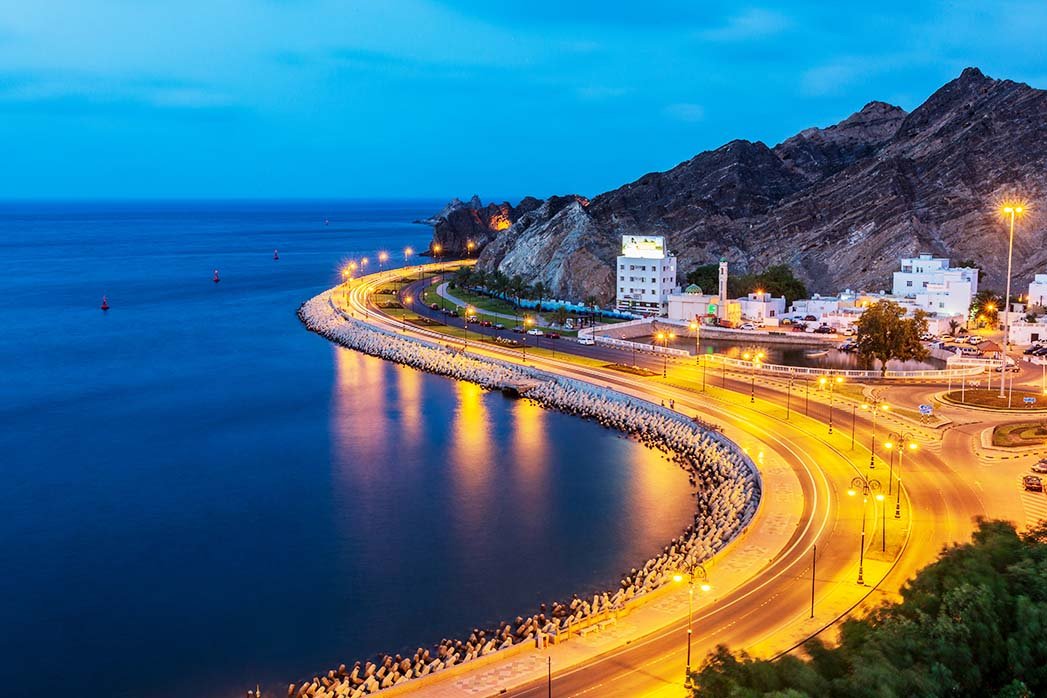
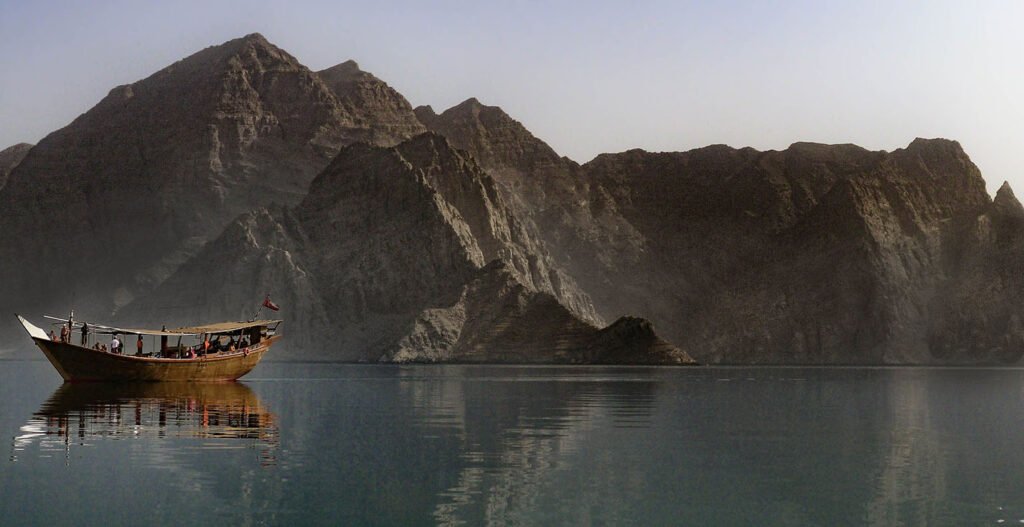
The dhow is Oman’s oldest vessel and one of its most enduring symbols—the wooden boat that once connected this coast to Zanzibar, to Calicut, to the Persian Gulf and beyond. An evening on the water, the mountains of Old Muscat passing on one side and the open sea on the other, is a moment of stillness that the city itself cannot offer.

Omani hospitality in a private setting

The finest meal in Oman is rarely in a restaurant. It is in a home—slow-roasted shuwa served on a communal platter, the coffee arriving in small cups without being asked for, conversation that moves at the pace of the afternoon. We arrange private hospitality encounters that give our guests something no hotel can provide: the experience of being genuinely welcomed into Omani life.

OUR CREDIBILITY

Oman is not a destination we sell. It is a country we know.

Our Oman journeys are built from personal experience, trusted local relationships and a depth of knowledge that takes years to accumulate. We know which wadi is worth the drive and which is not. We know the guide in Nizwa whose family has lived in the same house for eight generations. We know the camp in the Wahiba that positions its tents facing the finest dune ridge—and which one does not. We know where the dolphins are most reliably found at dawn, which road through the Hajar rewards a slower driver, and which hotel breakfast is worth staying in for.

This knowledge is not available in a brochure. It accumulates through years of travelling the country, building relationships and caring enough about the experience of each guest to keep going back. When you travel to Oman with Black Dove, you travel with that accumulated knowledge behind every decision in your itinerary.

How We Work
THE JOURNEY

A classic route through Oman

Every Black Dove journey is bespoke. But for those planning a first visit, the route below gives a sense of what a well-paced ten to twelve day Oman journey can hold—and what it feels like to move through the country properly.

  1. Muscat

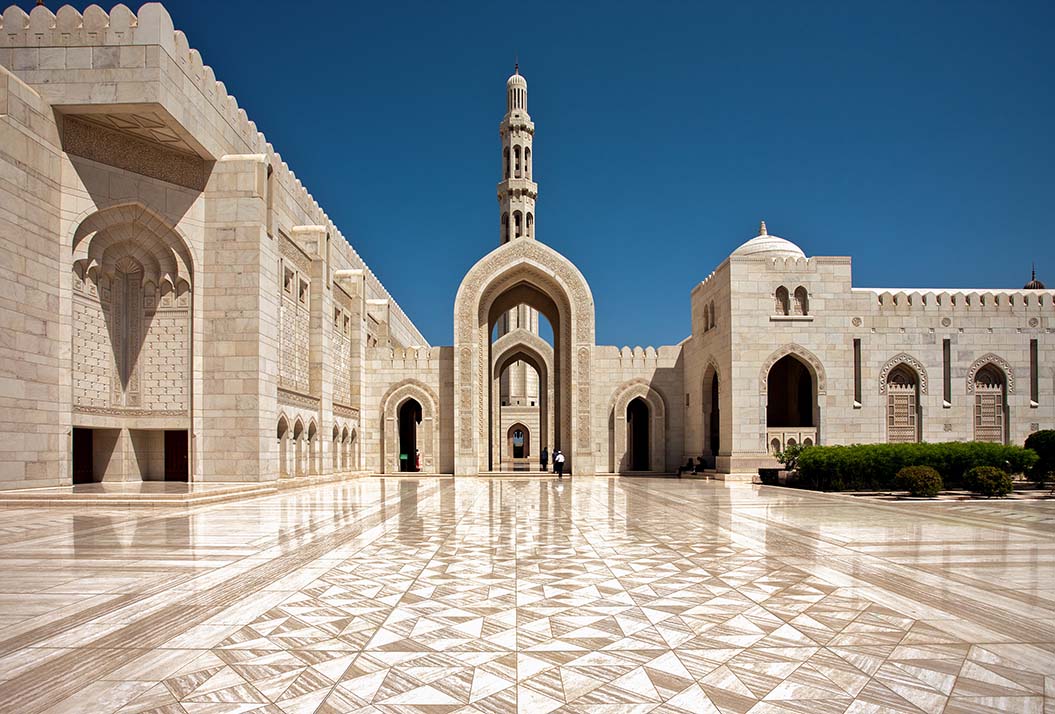
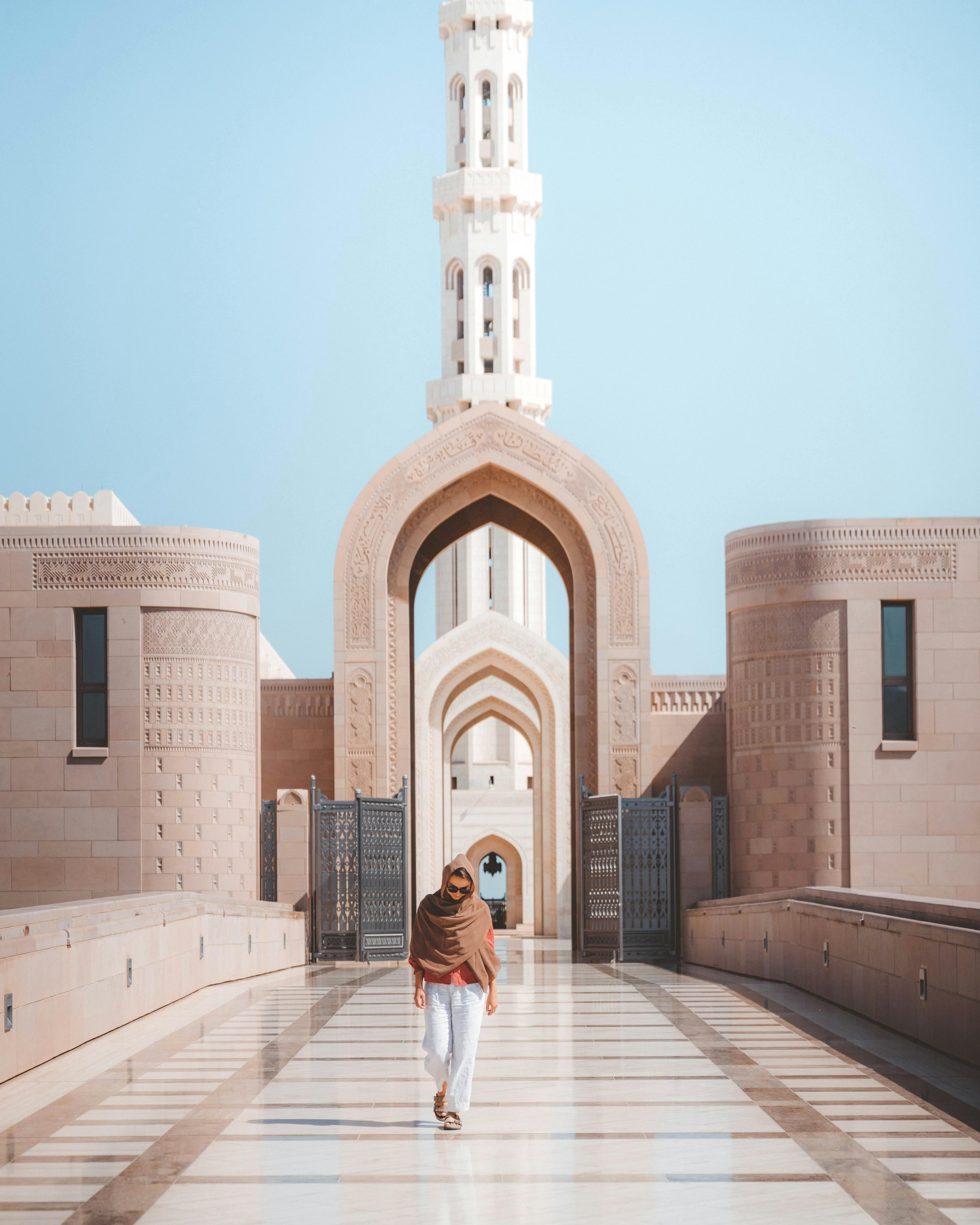
    Arrive. Old city, Muttrah Souq, Grand Mosque, sunset dhow on the harbour.

    2–3 NIGHTS
  2. Jebel Akhdar

    Drive into the Hajar Mountains. Rose gardens, canyon walks, cliffside luxury at altitude.

    2 NIGHTS
  3. Nizwa

    The ancient capital. Friday livestock souq, the great circular fort, the silver market.

    2 NIGHTS
  4. Wahiba Sands

    Enter the desert. Dunes, silence, Bedouin culture and the finest sky you have seen.

    2 NIGHTS
  5. Sur & the Turtles

    Oman’s old dhow-building town and Ras al Jinz—where green turtles nest on a beach unchanged for millennia.

    1 NIGHT
  6. Muscat

    Return along the Batinah coast. Final dinner. Depart.

    RETURN
PLANNING

When to visit Oman

Oman’s travel window is generous and its shoulder seasons are genuinely underrated—less crowded, atmospheric in their own way and, for the right traveller, preferable to peak season.

Oct – April
Ideal
The ideal window

Six months of excellent travel conditions. October and April are warm and uncrowded—our preferred months. November through February brings the finest weather for outdoor exploration, desert journeys and mountain walks. Book well ahead for peak season properties.

May – June
Shoulder
Shoulder season

Rising temperatures but still manageable with adjusted scheduling. Fewer visitors, better rates. Jebel Akhdar and the highlands remain comfortable at altitude. Salalah’s Khareef monsoon begins in June—a remarkable sight for those specifically seeking it.

Jul – Sep
Hot
Summer

Extreme heat on the coast and in the desert. Salalah, counterintuitively, is Oman’s summer highlight—transformed by the Khareef into a green, mist-covered landscape unlike anything else in Arabia. Travellers who go specifically for the Khareef season find it unlike anything they expected.

QUESTIONS

Frequently asked

Is Oman safe?

Yes—Oman is consistently ranked among the safest countries in the world for international visitors. It has no history of civil unrest directed at tourists, extremely low crime rates and a culture of hospitality towards foreigners that is entirely genuine. Solo travellers, couples and families travel throughout the country with complete confidence. Safety has never been a reason to hesitate about Oman.

How many days do I need?

For a first visit, we recommend ten to twelve days. That allows time to experience Muscat, the  Hajar Mountains, the desert, the coast and Oman’s historic interior without feeling rushed. If you have less time, a well-planned seven-day journey can still capture the essence of the country. Oman rewards slower travel more than fast-paced sightseeing.

Is Oman suitable for families?

Exceptionally so. Oman’s combination of safety, space, wildlife, wadis and cultural accessibility makes it one of the finest family destinations in the world. Children respond to the desert, the wadi swimming, the dolphin watching and the turtle nesting in a way that no city destination can replicate. We have designed many family Oman journeys and adjust the pace, the accommodation and the experiences accordingly.

Can Oman be combined with the UAE or India?

Yes to both. Abu Dhabi and Dubai are very short flights from Muscat and work well as either a gateway or a final night before a long-haul return. India—particularly Rajasthan—combines beautifully with Oman on a longer journey: the two destinations share historical trading connections and offer deeply complementary emotional experiences. Many of our guests have discovered both countries on a single trip and return to each independently thereafter.

What is the best month to visit Oman?

October through April offers the most comfortable weather for exploring the country. Our favourite months are October and April, when temperatures are pleasant, landscapes are at their best and visitor numbers are generally lower than during the winter peak. Those travelling specifically to experience Salalah’s famous Khareef season should plan for July or August.

Can I drive myself around Oman?

Absolutely. Oman is one of the finest self-drive destinations in the Middle East. Roads are modern, well maintained and clearly signposted, while traffic outside Muscat is generally light. A self-drive journey offers the freedom to explore mountain villages, coastal roads and desert landscapes at your own pace. For certain mountain and desert areas, however, a four-wheel-drive vehicle is recommended.

Do I need a 4WD?

You can certainly explore parts of Oman in a conventional car, but we generally recommend a four-wheel-drive for a classic round trip. While the country's highways are among the best in the region, many of Oman's most memorable places—from the Wahiba Sands and Jebel Akhdar to remote wadis and scenic mountain routes—are best experienced with the capability and freedom a 4WD provides. It isn't essential everywhere, but it allows you to experience far more of what makes Oman so special.

What should I wear?

Oman is a conservative country, and modest clothing is appreciated, particularly when visiting villages, mosques and cultural sites. Lightweight, breathable clothing is ideal throughout most of the year. Swimwear is perfectly acceptable at hotel pools and private beaches, while comfortable walking shoes are recommended for exploring wadis, mountains and historic towns.

Do I need a visa?

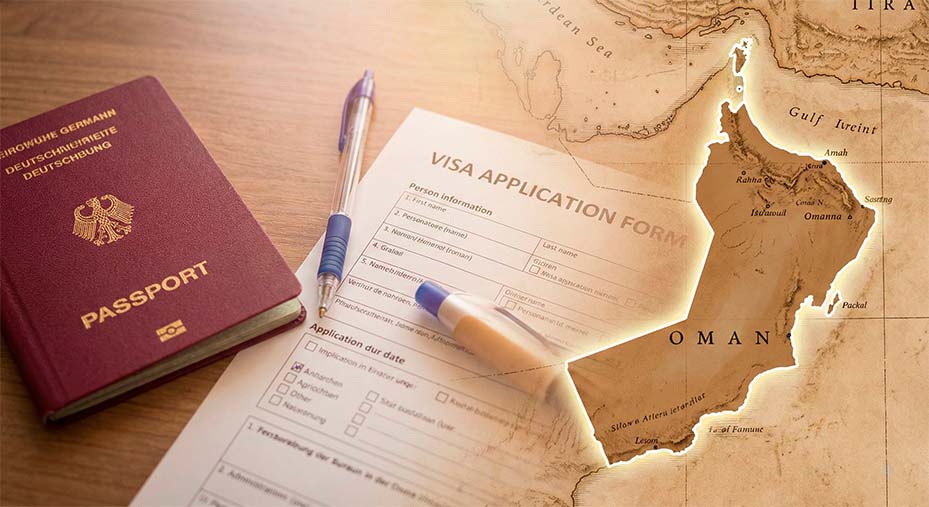
For most travellers, obtaining a visa is straightforward—and in many cases, it isn't required at all. Nationals of more than 100 countries, including the UK, most EU countries, the USA, Canada, Australia, New Zealand and Japan, can enter Oman visa-free for stays of up to 14 days, provided they meet the entry requirements. Since most visitors spend between seven and twelve days in Oman, this covers the majority of holidays. If your nationality requires a visa or you're planning a longer stay, we'll point you in the right direction and help you understand the latest entry requirements before you travel.

Is English widely spoken?

Yes. English is widely spoken throughout Oman, particularly in hotels, restaurants, shops and tourist areas. Road signs are bilingual, and communication is rarely a challenge for international visitors. In smaller villages, Arabic remains the primary language, but Omani hospitality often bridges any language barrier with remarkable ease.

OUR FLAGSHIP DESTINATION

Tell us how you would like to experience Oman.

Private. Authentic. Unforgettable.

Tell us when you would like to travel, what you are hoping to discover and how long you have—and we will design a journey that goes further into Oman than any itinerary you could build from a guidebook.

Scroll to Top