

Classic India
A thoughtfully designed route through India's iconic cities, magnificent monuments and enduring traditions — for the traveller making their first journey into the subcontinent.
Every great India journey
begins the same way.
India is overwhelming in the best possible sense — there is simply too much of it, too many layers, too many centuries, too many possible starting points. Classic India solves that problem not by simplifying India but by finding the route that opens it most naturally: a sequence of cities and monuments that each reveal something essential, and that together produce a picture of the country that no amount of reading can replicate.
The route endures not because it is the easiest version of India but because it is among the most complete. History, architecture, living culture, royal heritage, spiritual depth — the Classic India journey holds all of them within a pace that first-time visitors find both revelatory and genuinely manageable.
The monuments that define a civilisation
The Taj Mahal, the Red Fort, the Pink City of Jaipur, the abandoned Mughal capital at Fatehpur Sikri — these are not tourist sights. They are the physical evidence of empires that shaped the modern world, and they are extraordinary in person in a way that photographs consistently fail to communicate.
Traditions that continue to shape everyday life
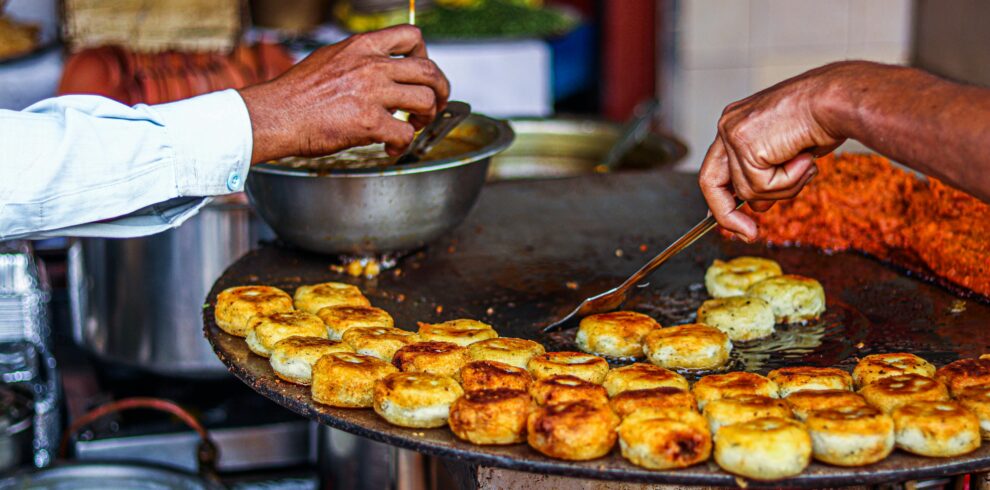
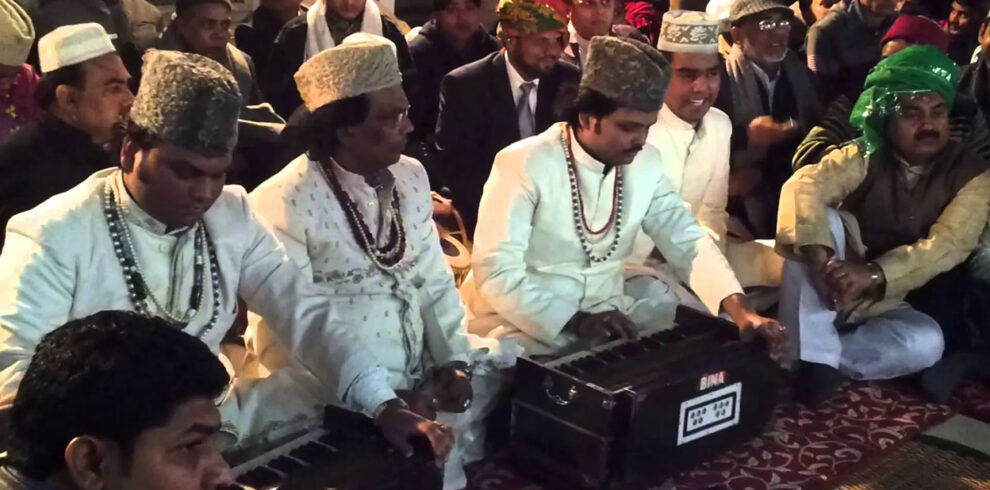
A morning Aarti ceremony on the Ganges. A craftsman in Jaipur block-printing fabric by the same method his grandfather used. A bustling Old Delhi market where every lane has traded in the same goods for three centuries. Classic India is not a museum tour — it is an encounter with a civilisation still very much in progress.
A pace that allows India to land properly
India asks more of its visitors than most destinations. We design Classic India journeys with enough time in each place — unhurried mornings, space for the unexpected, the latitude to linger when something deserves more than a passing glance. Comfort and discovery, held in careful balance throughout.
A route through India's essential chapter
Each city contributes something different to the overall journey — and the sequence matters. This is how we understand the logic of the route.
Delhi
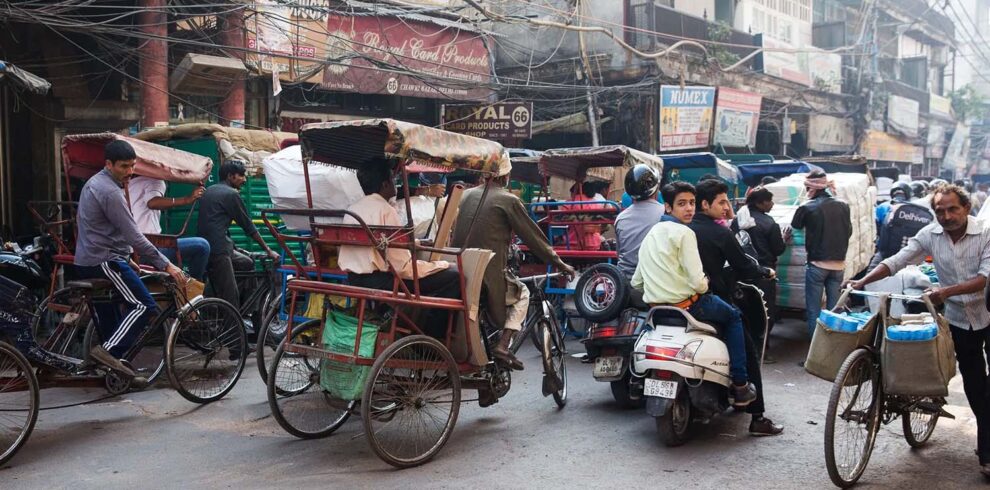
No other city in India holds quite so many centuries simultaneously. The Qutb Minar — completed in 1220 — rises from the ruins of the first city ever built on Delhi's plain. The Red Fort, symbol of Mughal power at its apex, stands four kilometres away. Between them, eleven cities of Delhi have been built, destroyed and built again. Old Delhi's lanes have traded in spices, textiles and street food for three hundred years. New Delhi's colonial boulevards are still lined with the administrative buildings of an empire. To spend two or three days in Delhi at the start of a Classic India journey is to understand immediately that this country does not move in a straight line through time — it moves in layers.
Agra
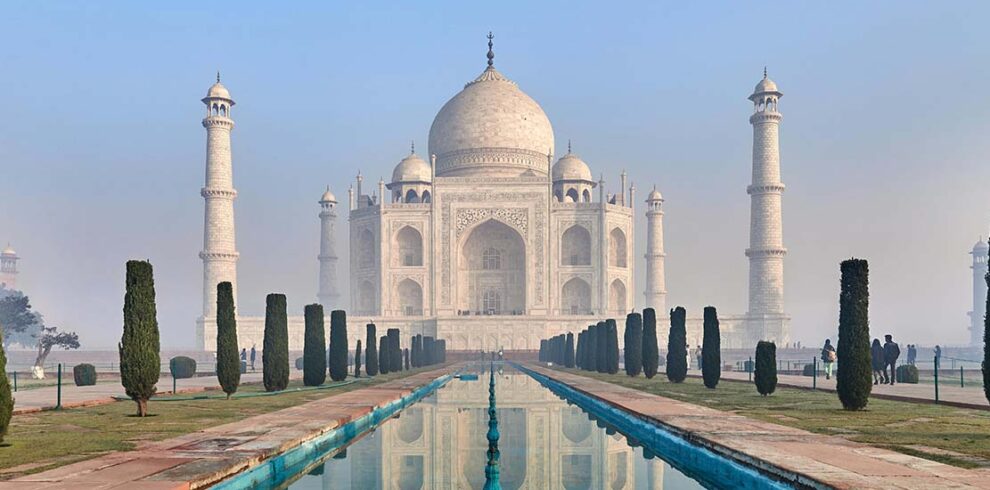
Every traveller to India arrives at the Taj Mahal with a mental image formed by decades of photographs. The photograph is not wrong. But it is entirely inadequate. The scale of the structure — the way it draws the eye along its perfect symmetry, the way the white marble shifts colour through the day from pink at dawn to gold at dusk — is something that only physical presence communicates. We recommend two visits: at dawn before the crowds arrive, and again in the late afternoon when the light is warm and the gardens are quieter. The Agra Fort, a short distance away, tells the story of the Mughal emperors who built and inhabited it — a story that adds considerable context to the Taj and deserves more time than most itineraries give it.
Jaipur
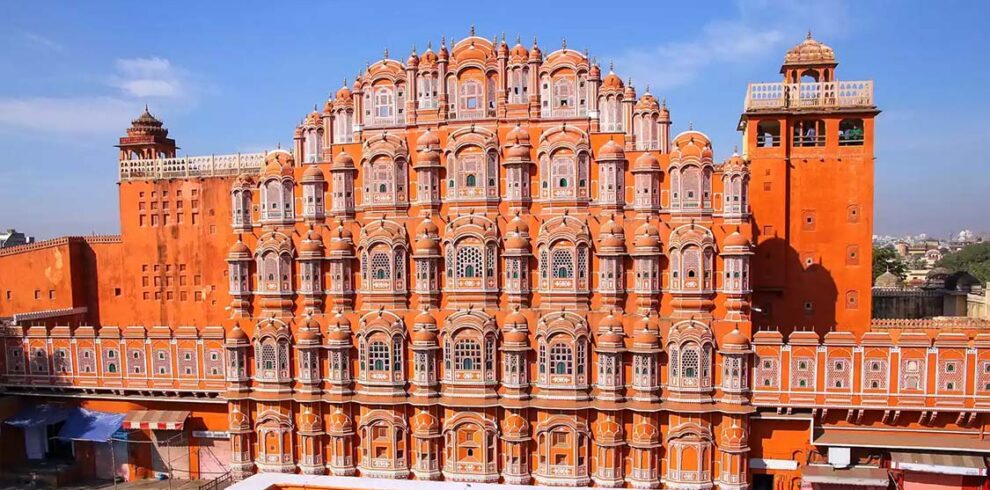
Jaipur introduces travellers to the India of the Rajput maharajas — a world of extraordinary palace architecture, rich craft traditions and a city colour-coded pink in honour of a visiting British Prince in 1876. The City Palace still contains the personal quarters of the royal family. Amber Fort, rising from a hilltop above Maota Lake, is one of the finest examples of Rajput-Mughal architecture in existence. The bazaars of the old city sell block-printed textiles, blue pottery and gemstones with a directness and energy that makes the shopping as memorable as the sightseeing. Jaipur is where the Classic India journey typically ends — but it is also where many travellers decide to stay much longer, and where those who return to India almost always begin their second journey.
Varanasi
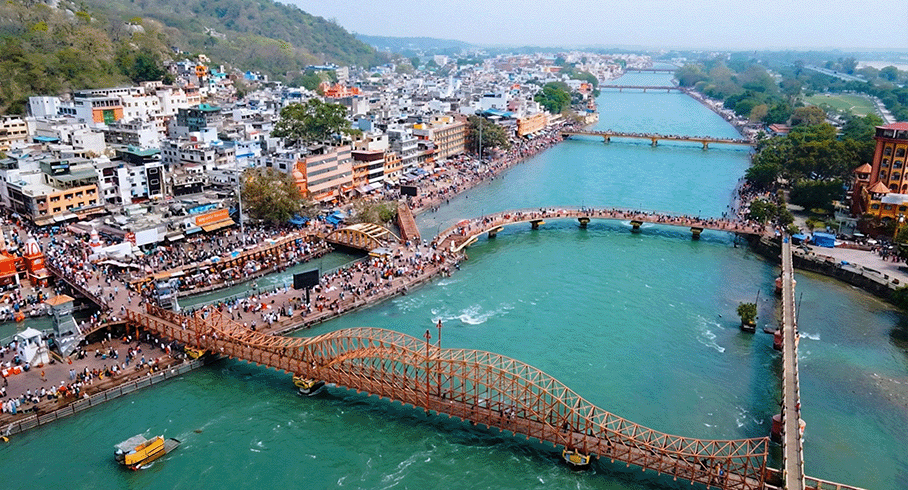
The oldest continuously inhabited city on earth — and the most profoundly spiritual. The Ganges ghats at dawn, the morning Aarti ceremony, the narrow lanes of the old city where silk weavers still produce Banarasi silk. Varanasi is the most difficult city in India to describe and the easiest to remember. A two-night extension that changes the entire character of a Classic India journey.
Udaipur
India's most romantic city — palaces built above still lakes, the Lake Palace appearing to float on the water, heritage hotels where every terrace offers a different view. Udaipur deepens the Jaipur chapter into a fuller understanding of Rajput culture and lake-palace luxury.
Ranthambore
One of India's most famous tiger reserves — positioned between Jaipur and Agra, making it a natural addition without lengthening the overall route significantly. Early morning game drives in an ancient forest surrounding a 10th-century fort. Bengal tigers. Nothing else quite like it.
Kerala
The natural conclusion to a longer India journey — completing the north-south arc and adding backwaters, wellness, tropical landscape and an entirely different cultural register to the royal heritage of the north. The contrast makes both destinations more vivid. Many of our guests describe the Jaipur-to-Kerala transition as the most satisfying sequence in Indian travel.
Experiences that define Classic India
These are not sights on an itinerary. They are the moments that Classic India travellers describe first when someone asks how the journey was.
Sunrise at the Taj Mahal
Before the tour groups, before the heat, before the sound of anything except birds and the fountain. The marble turns rose-gold in the early light and the scale of what Shah Jahan built for his wife — in seventeen years, by twenty thousand craftsmen — becomes suddenly, quietly comprehensible.
An evening on the Ganges ghats, Varanasi
The Ganga Aarti ceremony at Dashashwamedh Ghat — oil lamps, incense, Sanskrit chanting, thousands of pilgrims and devotees gathered at the edge of the river as the sun sets. It is the most photographed ceremony in India and the most impossible to photograph adequately. It requires presence.
Walking Old Delhi
Chandni Chowk at 8am — spice merchants opening their stalls, the aroma of chai and frying bread, cycle rickshaws threading between pedestrians, the Jama Masjid rising above everything. With a guide who knows which lane goes where and which doorway leads to a six-generation-old sweet shop. Bewildering. Intoxicating. Unmistakably Delhi.
Amber Fort at dawn
Jaipur's finest fort on a hillside above Maota Lake, visited in the first hour of daylight before the coaches arrive. The sound of the call to prayer from the mosque below. The reflection of the fort in the lake. The carved elephant path still worn smooth by the weight of centuries of royal processions.
Dinner in a restored haveli
India's heritage hotel collection — particularly in Jaipur and Udaipur — offers a category of dining experience that exists nowhere else: courtyard tables, candlelight, the carved arches of a 200-year-old merchant house, and the Rajasthani cuisine that was once served to royalty. Not theatre. Architecture that happens to contain your dinner.
Meeting an artisan in their workshop
Jaipur's craft traditions — block-printing, blue pottery, gem-cutting, miniature painting — are not tourist demonstrations. They are working trades, passed within families across generations, still producing objects of genuine quality for markets that have valued them for centuries. A private introduction through your guide turns a workshop visit into a conversation that lasts longer than the craft explanation.
A night in a heritage hotel
India's palace hotels and heritage properties are among the finest accommodation experiences in the world — not merely for their luxury but for the layered history of the buildings themselves. Sleeping in a maharaja's former guest wing, dining in a courtyard that has hosted princes and ambassadors, swimming in a pool that was once the royal bath. This is where accommodation becomes part of the journey rather than an interruption of it.
Beyond the Classic route
Classic India opens a door. These destinations are the rooms behind it — each offering a deeper chapter of the India story, each worth a dedicated return journey.
Six ways to design the journey
Every Black Dove journey is bespoke — but these styles give a sense of how the Classic India route adapts to different travel goals, durations and interests.
Golden Triangle
8 – 10 daysDelhi · Agra · Jaipur — the classic circuit, paced properly with unhurried days and genuine depth in each city.
Golden Triangle & Udaipur
12 – 14 daysDelhi · Agra · Jaipur · Udaipur — adding India's most romantic city and its lake palace landscapes to the classic route.
Golden Triangle & Varanasi
11 – 13 daysVaranasi · Delhi · Agra · Jaipur — beginning at the Ganges for the most dramatic possible opening to an India journey.
Golden Triangle & Ranthambore
12 – 14 daysDelhi · Agra · Ranthambore · Jaipur — adding the Bengal tiger and the ancient fort reserve between the palace cities.
Classic India with Kerala
18 – 21 daysDelhi · Agra · Jaipur · fly south · Kochi · Backwaters — the complete India arc, from Mughal grandeur to slow water.
Luxury India Highlights
14 – 16 daysPalace hotels throughout · private access · luxury train section · exclusive dining — the classic route elevated to its finest form.
Classic India Journeys
Frequently asked
What exactly is a Classic India tour?
A Classic India tour introduces first-time visitors to India's most celebrated destinations — combining historic cities, magnificent monuments, vibrant culture and memorable local experiences. Most itineraries include Delhi, Agra and Jaipur as their foundation, with optional extensions to Varanasi, Udaipur, Ranthambore or Kerala depending on available time and interests.
Is it suitable for first-time visitors to India?
Yes — it is designed specifically for first-time visitors. The Classic India route provides a balanced introduction to the country's history, architecture, culture and cuisine while maintaining a comfortable pace. It is challenging enough to feel genuinely immersive and accessible enough to feel manageable. Most guests describe it as the ideal first chapter of what becomes a longer relationship with India.
How many days do I need?
We recommend a minimum of 8 to 12 days for a well-paced Classic India journey. This allows genuine depth in Delhi, Agra and Jaipur without the rushed feeling that a shorter itinerary produces. Longer durations — 14 to 21 days — open up extensions to Varanasi, Udaipur, wildlife reserves or Kerala.
When is the best time to visit?
October to March offers the most comfortable conditions across North India — pleasant temperatures for sightseeing, clear skies and the social calendar of India's festival season. November to February is the finest window. April onwards sees temperatures rising significantly; we can design accordingly for guests who have no choice but to travel in the warmer months.
Can Classic India be combined with other regions?
Yes — and many of our most memorable journeys do exactly this. A Classic India journey combined with Kerala provides the complete north-south arc: Mughal grandeur in the north, tropical slow travel in the south. Adding Rajasthan depth — Jodhpur, Udaipur, Jaisalmer — turns the classic circuit into a comprehensive Rajasthan journey. We will design the combination that best suits your available time and travel interests.
Will I see the Taj Mahal?
Yes — the Taj Mahal is the centrepiece of every Classic India journey. We recommend an early morning visit to experience it before the busiest hours, often followed by a late afternoon return when the light is warmer and the crowd has thinned. A visit to Agra Fort the same day adds the Mughal dynastic context that makes the Taj considerably more meaningful.
What type of accommodation is included?
We work with carefully selected heritage hotels, palace properties and boutique hotels that reflect the character of each destination — restored havelis in Jaipur, elegant city hotels in Delhi, heritage properties in Agra. Accommodation is chosen for what it adds to the journey, not merely for its star rating. Every property we recommend has been visited by our team.
Is India safe for international travellers?
Yes. India is visited by millions of international travellers every year and is a welcoming, hospitable country with a long tradition of receiving foreign guests. With private guides, carefully selected accommodation and private transportation throughout, a Black Dove Classic India journey is both comfortable and secure. Your guide is a constant, knowledgeable companion — not merely a driver.
Before you travel to India
Begin your journey
through India.
We will design a Classic India itinerary that reflects your pace, your interests and your style of travel — private, unhurried and crafted specifically for you.