

South India
A region where thousand-year-old temple cities, rainforests, spice plantations, colonial settlements, wildlife sanctuaries and backwaters all exist within relatively short distances of each other.
South India is not defined by one attraction.
It is defined by depth.
North India offers spectacle — the Taj, the forts, the desert. South India offers something harder to name and, for many travellers, ultimately more lasting. It is older, quieter, more layered. The temples here were built over centuries by dynasties whose names most visitors cannot pronounce, and are still in daily use by communities who have worshipped in them without interruption. The spices that made this coast the most coveted geography on earth still grow in the hills behind Kochi. The dance forms still performed in village temples tonight have not changed significantly since the 9th century.
South India rewards the traveller who arrives with curiosity rather than a checklist — and it consistently produces the kind of journey that people describe not as their favourite holiday, but as the experience that changed how they think about travel itself.
At Black Dove Holidays, South India is where we go deeper than any other region in our India offering. We know the back roads to Hampi and the morning light at Mahabalipuram. We know which temple in Madurai is worth arriving at midnight for, and which spice plantation in Thekkady gives you something that goes well beyond a guided walk. This page introduces the region. What follows is an invitation to discover your particular version of it.
One region. Eight distinct layers.
Every destination in South India contributes to multiple layers of experience. This is not a list of places to visit — it is a map of what the region holds.
Six faces of South India
South India is not a state or a tourist circuit. It is six overlapping worlds — each extraordinary, each opening onto a different version of the subcontinent.
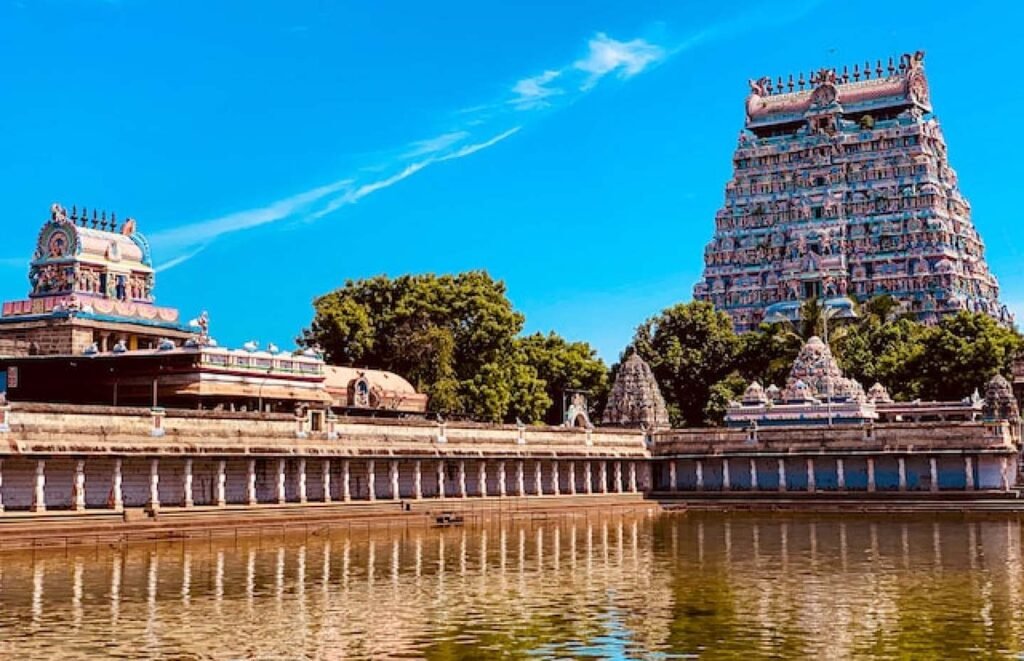
Temple Civilisations
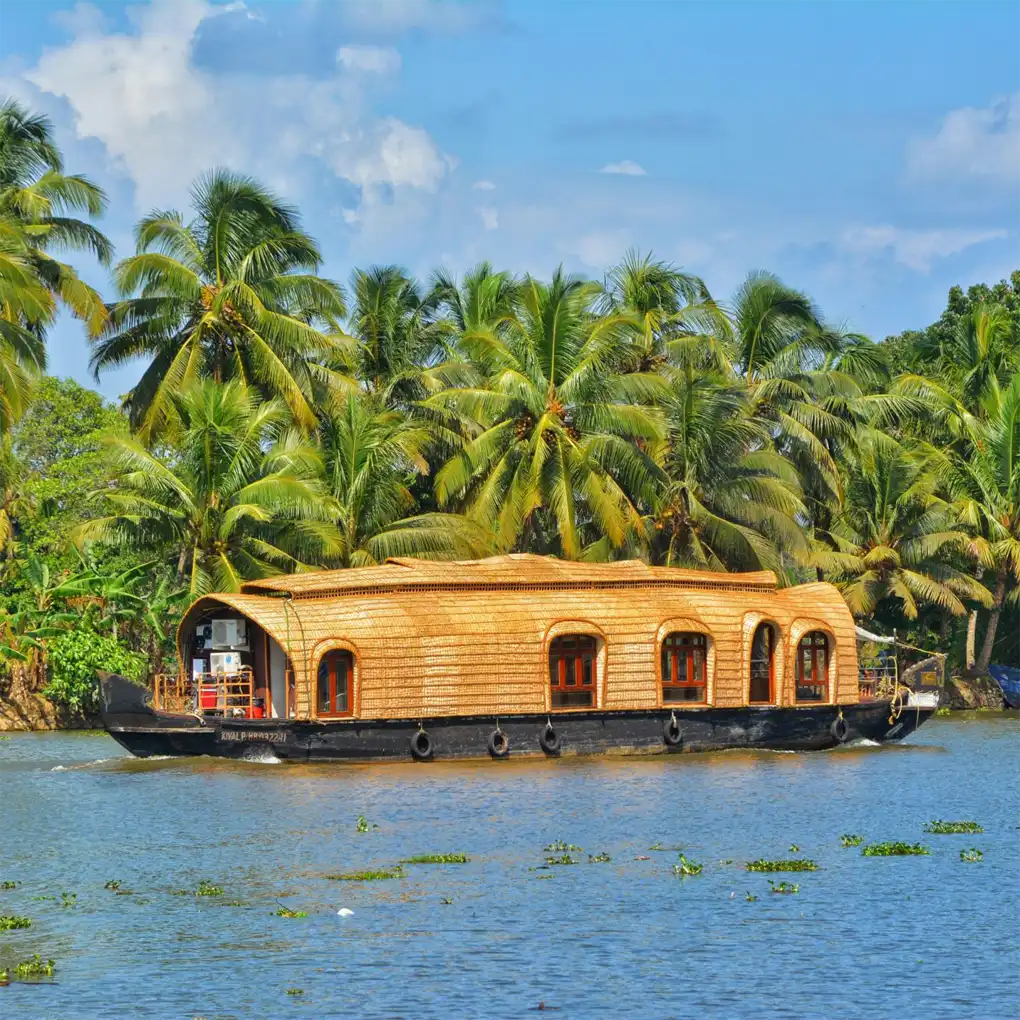
Backwaters
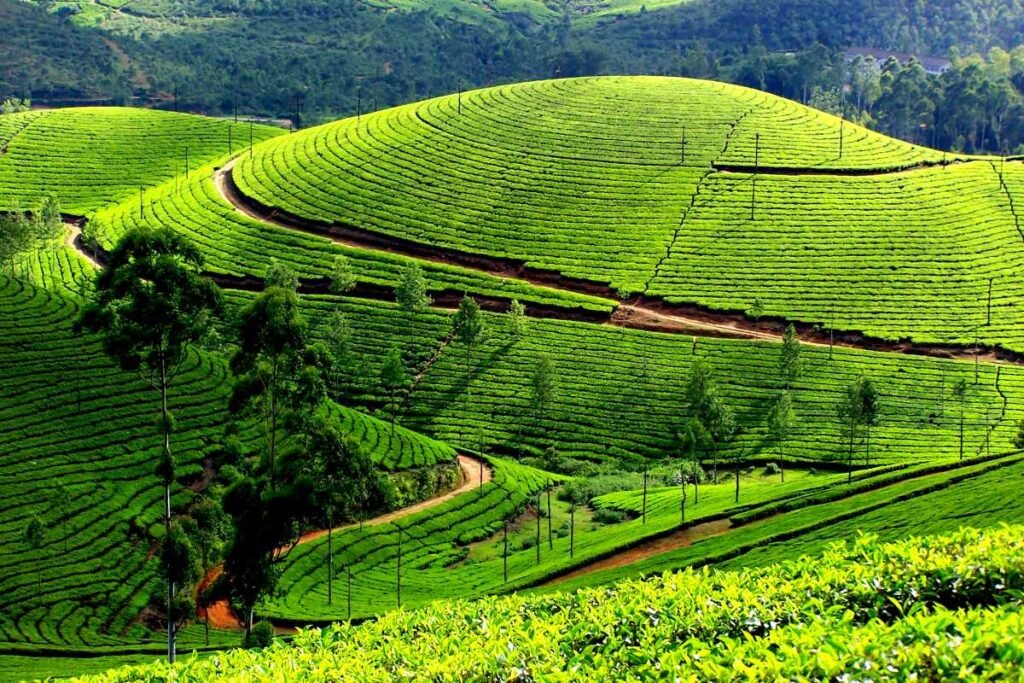
The Spice Coast
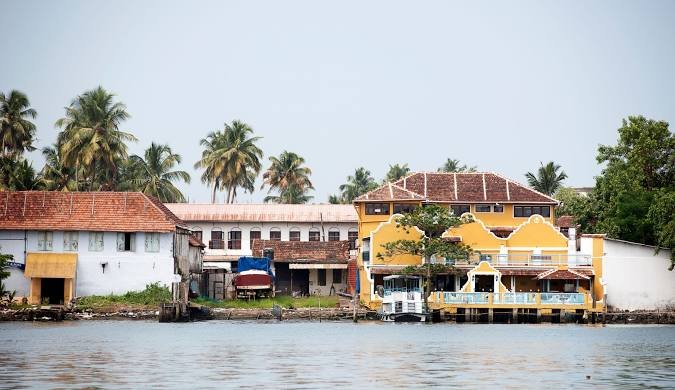
Colonial South India
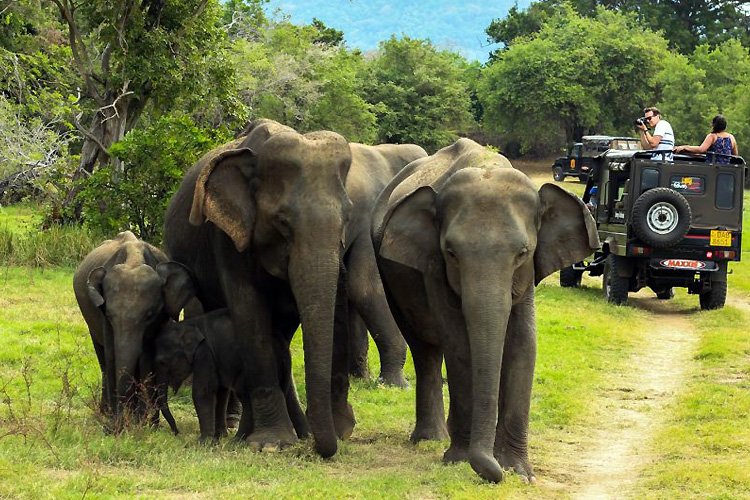
Living Landscapes
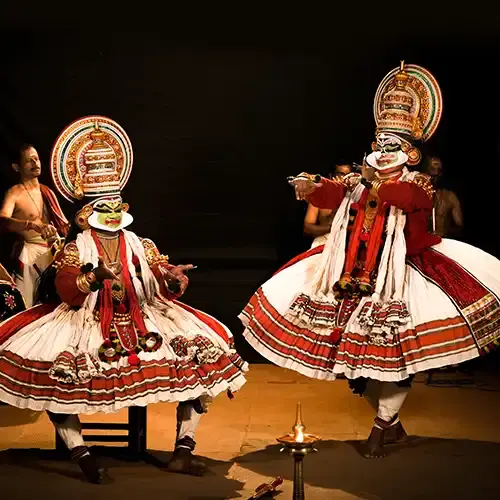
Living Traditions
Every destination, every layer
South India is not a collection of places. It is a rich, interconnected region where every destination contributes to multiple layers of experience simultaneously. Use this as a guide to understanding what each place offers — and which combination best suits your interests.
| Destination | History | Temples | Colonial | Culture | Nature | Wellness | Wildlife |
|---|---|---|---|---|---|---|---|
| Kochi | |||||||
| Hampi | |||||||
| Madurai | |||||||
| Pondicherry | |||||||
| Munnar | |||||||
| Thekkady | |||||||
| Mahabalipuram | |||||||
| Backwaters |
| Destination | History | Temples | Colonial | Culture | Nature | Wellness | Wildlife |
|---|---|---|---|---|---|---|---|
| Kochi | |||||||
| Hampi | |||||||
| Madurai | |||||||
| Pondicherry | |||||||
| Munnar | |||||||
| Thekkady | |||||||
| Mahabalipuram | |||||||
| Backwaters |
A route through South India
This is not a template itinerary. It is a way of illustrating how South India's layers reveal themselves when approached in sequence — north to south, ancient to colonial, inland to coast. Every Black Dove journey is designed differently. This gives you a sense of the geography and the logic.
-
Chennai
1 – 2 nightsGateway to Tamil Nadu. Kapaleeshwarar Temple, Marina Beach, Carnatic music evenings.
-
Mahabalipuram
1 nightShore temples carved from living rock. UNESCO. The sea just beyond. One of South India's most quietly spectacular sites.
-
Pondicherry
2 nightsThe French quarter, the promenade, Auroville. South India's most unexpected city — and one of its most liveable.
-
Thanjavur
1 nightThe Brihadeeswarar Temple — a UNESCO monument and one of the great achievements of Dravidian architecture. Carnatic music and Tanjore painting traditions.
-
Madurai
2 nightsThe living temple city. Meenakshi Amman Temple — busiest and most extraordinary living temple in South India. Arrive for the night ceremony.
-
Thekkady & Periyar
2 nightsSpice plantations, elephants, the Western Ghats beginning to rise. The landscape shifting from Tamil Nadu to Kerala.
-
Munnar
2 nightsTea estates at 1,500 metres. Cool air. Mist on the hills. Walking trails and plantation stays.
-
Kochi
2 nightsFort Kochi and Mattancherry. Chinese fishing nets, the Jewish Quarter, colonial lanes and excellent restaurants. The city that absorbed the world.
-
Kerala Backwaters
2 nightsA private houseboat. Life unfolding on the water. The quietest possible way to end a South India journey.
Six places that anchor a South India journey
Not an exhaustive list. These are the anchors — the places that most often become the centrepiece of a South India itinerary, and the ones that leave the most lasting impression.
Kochi
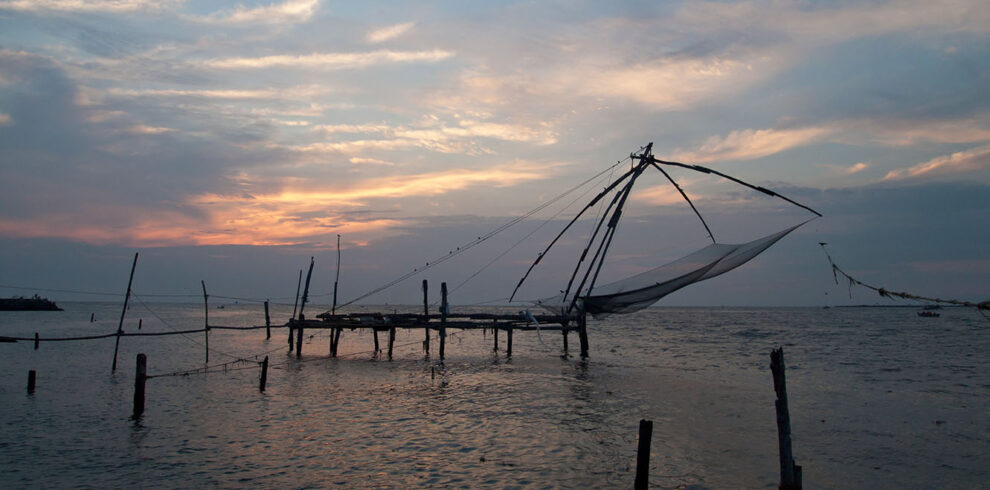
Gateway · Colonial · CultureFort Kochi and its neighbour Mattancherry contain perhaps the most layered square kilometre in South India — Chinese fishing nets still operated at dawn by the families who have worked them for generations, a Jewish quarter that retains its synagogue and spice warehouse architecture, Portuguese and Dutch colonial streets that have been repurposed by artists and restaurateurs without losing their bones. The Chinese fishing nets are the most photographed sight in Kerala. The city around them is considerably more interesting.
Pondicherry
Colonial · Wellness · CulturePondicherry does not belong to any obvious South India category — and that is precisely what makes it worth two nights. The French quarter's colonial architecture is extraordinary and well-preserved; the promenade along the Bay of Bengal is one of the most pleasant walks in South India; Auroville, the intentional community established by Sri Aurobindo's followers, is a genuinely unusual and thought-provoking place to spend an afternoon. The food is a remarkable fusion of French and Tamil traditions that deserves its reputation.
Hampi
History · Temples · UNESCOThe ruins of Vijayanagara — the last great Hindu empire of South India — spread across a lunar landscape of granite boulders south of the Tungabhadra River. At its height in the 16th century, Hampi was one of the largest cities in the world. Its sudden destruction in 1565 left it largely intact — the temples, bazaars, royal enclosures and elephant stables frozen in the moment of abandonment. Walking through them at dawn, before the heat and before other visitors arrive, is one of the most profound historical experiences South India offers.
Madurai
Living temple city · Culture · HistoryMadurai is not the most comfortable city in South India — it is too busy, too hot, too loud for comfort to be the right word. But it is one of the most alive. The Meenakshi Amman Temple at its centre has been in continuous religious use for two thousand years. Its evening ceremony — the Alankara Seva — involves the ritual procession of a deity through the temple precinct to the accompaniment of drums, flowers and hundreds of devotees. Witnessing it with a guide who can explain what is happening is the closest thing to time travel that South India offers.
Thekkady
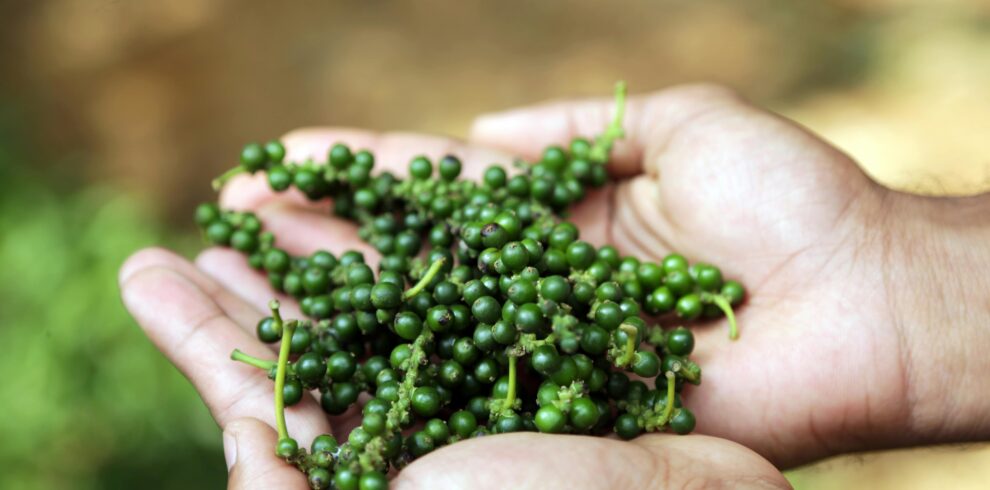
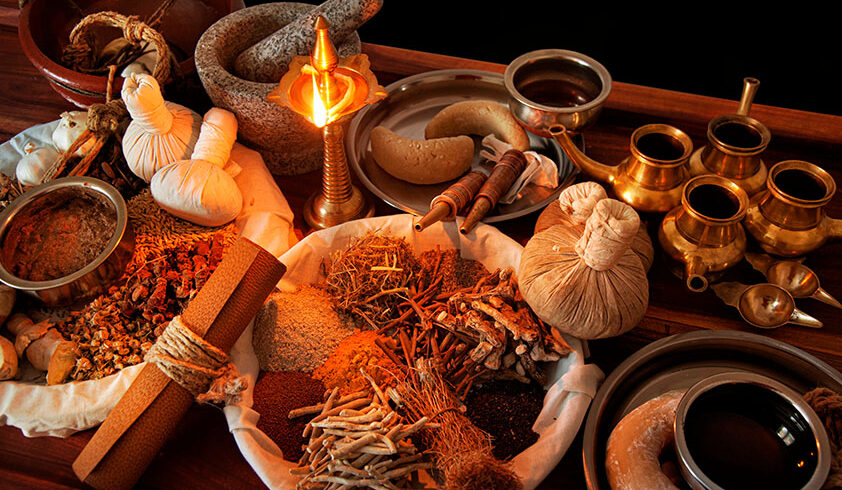
Wildlife · Spice · NatureThekkady sits at the edge of the Periyar Tiger Reserve — a landscape of forest, lake and hills where elephants, gaur and otters are reliably spotted by those who move quietly and early. But Thekkady's wider district is also spice country: cardamom, pepper, vanilla, coffee and tea all grow within a short drive, and a morning with a guide who was raised in these plantations and knows every plant by smell is an experience that no lecture on the spice trade can replicate.
Kerala Backwaters
Slow travel · Water · Village lifeThe backwaters are not a tourist attraction. They are a civilisation — a 900-kilometre network of lakes, canals and lagoons along which communities have lived, traded and fished for centuries. A private houseboat on these waters gives you something that no hotel can replicate: an entirely different relationship with time. Children walk to school along the bank. Fishermen cast nets in the early morning light. Coconut palms reflect perfectly in still water. This is slow travel in its truest form, and it is the most natural possible conclusion to a South India journey.
Experiences you can only have in South India
These are not activities. They are encounters — each one available only in this region, at this depth, with the right guide.
A midnight ceremony at Meenakshi
The Alankara Seva procession in Madurai — drums, flowers, devotees, a deity carried through two-thousand-year-old corridors. Witnessed rather than observed, with a guide who can explain what you are seeing.
Kathakali backstage
The makeup process for a Kathakali performance takes longer than the performance itself. Watching a dancer transform — layer by layer, colour by colour — in the hour before the stage lights come on is the part that no photograph captures.
Sunrise by canoe on the backwaters
Not the houseboat — the canoe. Narrow enough to enter the smaller channels, quiet enough to hear the birds, low enough to be at eye level with the water and everything moving on it at first light.
Walking a working plantation
Cardamom at 700 metres in the Cardamom Hills — tasting a pod just removed from the bush, learning to tell the grade by the smell, understanding why Arab traders crossed the Arabian Sea repeatedly for centuries to reach this hillside.
South Indian cooking in a family home
Not a class. A kitchen. A family recipe. The grinding of fresh coconut, the tempering of mustard seeds, the production of a Chettinad or Nair meal that has been made the same way for generations — and then eating it together.
Chinese fishing nets at dawn, Kochi
The cantilevered Chinese fishing nets on Fort Kochi's waterfront have been lowered and raised since the 14th century. Before the tourist day begins, they are simply working equipment — and the fishermen who operate them are willing to talk to the traveller who arrives early enough.
Elephants at Periyar by boat
A private boat on the Periyar Lake at 6am — the mist still on the water, the Western Ghats rising behind, and the elephants arriving at the shore to drink in the unhurried way that suggests they have been doing exactly this for as long as the lake has existed.
Dawn at Hampi
The ruins of Vijayanagara in the first light — before the heat, before other visitors, before the granite boulders are anything other than extraordinary shapes against an orange sky. The scale of what was here, and what was lost, becomes comprehensible only in this particular light.
UNESCO heritage across South India
South India holds some of the most significant UNESCO designations in the world — not as isolated monuments but as living cultural and natural landscapes that continue to function exactly as they always have.
Group of Monuments at Mahabalipuram
Tamil Nadu · Inscribed 1984Shore temples and rock-cut monuments carved during the Pallava dynasty from living granite on the Coromandel Coast. The architectural vocabulary developed here influenced temple building across Southeast Asia. Still standing within metres of the Bay of Bengal, where the sea that inspired their builders continues to erode their edges.
Group of Monuments at Hampi
Karnataka · Inscribed 1986The ruins of the Vijayanagara Empire — once one of the world's largest cities and the last great kingdom of medieval South India. Spread across a remarkable landscape of granite boulders and the Tungabhadra River, the site encompasses more than 1,600 individual monuments across a 26-square-kilometre area.
Western Ghats
Kerala · Karnataka · Tamil Nadu · Inscribed 2012One of the world's eight "hottest hotspots" of biological diversity — older than the Himalayas, holding more species of flora, fauna, reptiles, amphibians and freshwater fish than almost anywhere else on earth. The Western Ghats are not a park or a reserve. They are a living mountain range that contains Munnar, Periyar, Bandipur, Nagarhole and Silent Valley within their enormous extent.
Brihadeeswarar Temple, Thanjavur
Tamil Nadu · Inscribed 1987 (Great Living Chola Temples)Completed in 1010 CE, this is one of the great architectural achievements of the ancient world — a 66-metre vimana (tower) built without mortar, still in daily religious use a thousand years after its completion. The shadow of its tower at noon, by careful design, falls entirely within its own footprint.
South India for every kind of traveller
The curious traveller
Madurai, Hampi, Mahabalipuram and Thanjavur — four destinations that between them span two thousand years of South Indian civilisation, and none of which has been simplified for a tourist audience.
Explore ↗
The restorative traveller
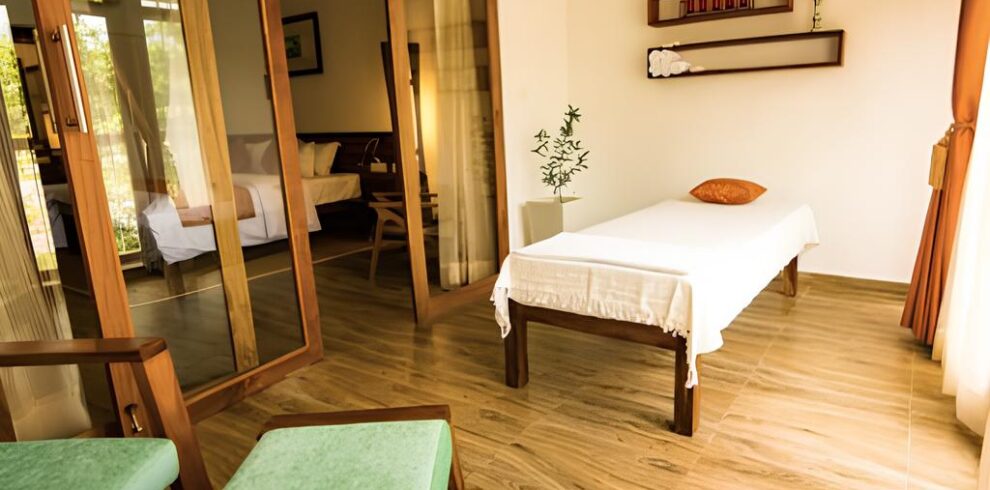
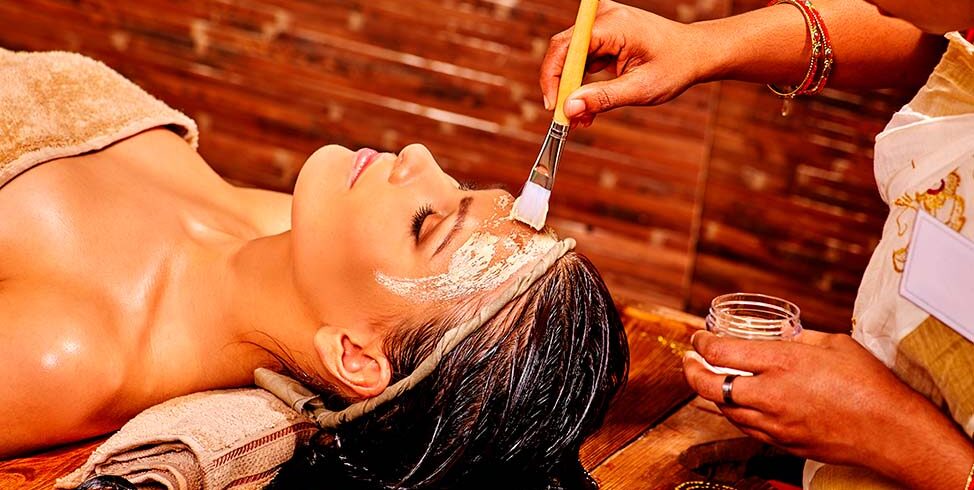
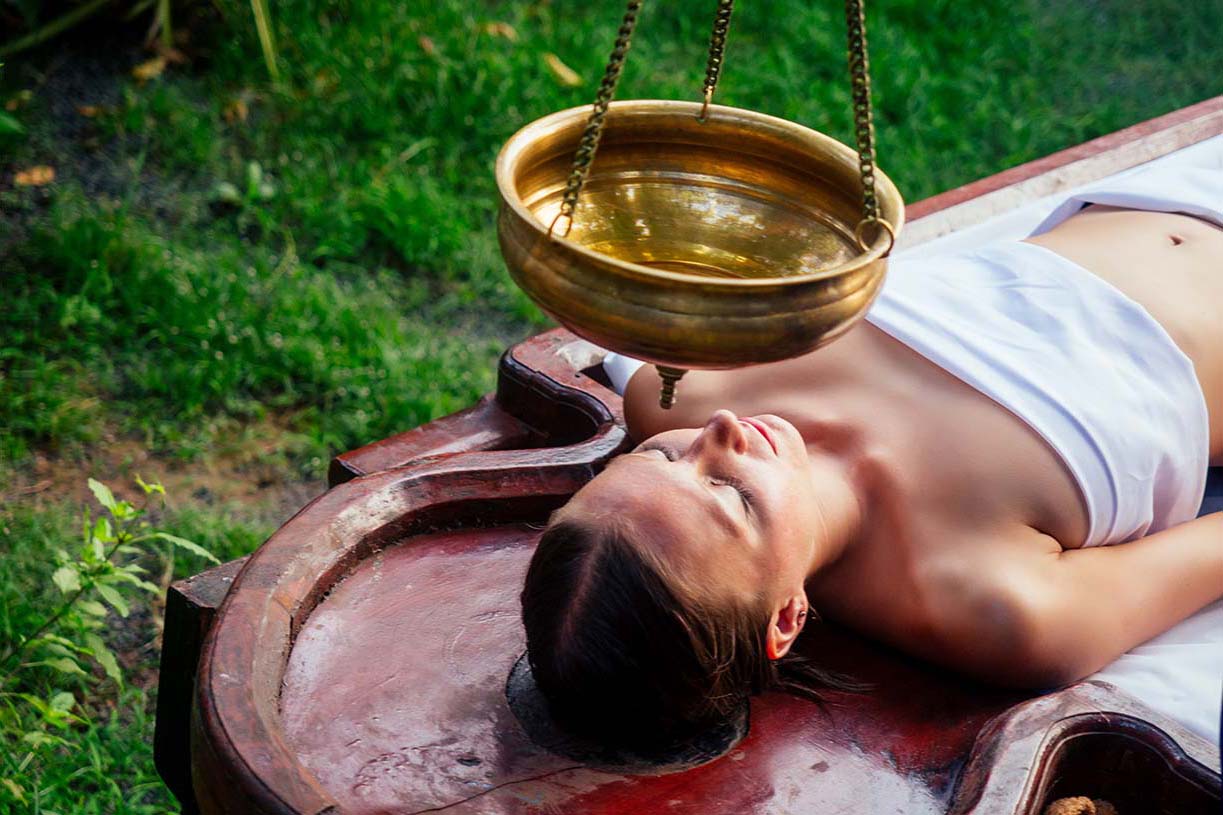
Kerala's Ayurvedic tradition, the Auroville community in Pondicherry, the highland retreats of Munnar and Coorg — South India holds more genuine wellness options than any comparable region in India.
Explore Retreats ↗
The natural world traveller
Periyar, Bandipur, Nagarhole — three reserves in the Western Ghats that together offer tigers, elephants, leopards, gaur and one of the richest bird lists in India. None overwhelmed by visitor numbers.
Explore ↗
The visual traveller
Morning light on Hampi's granite, Chinese fishing nets against a Kochi sunrise, the colours of a Meenakshi Temple ceremony, backwater reflections at dawn. South India offers more photographs worth taking per day than almost any other region of the country.
Explore ↗
The unhurried traveller
Kerala's backwaters, Pondicherry's lanes, a plantation stay in Coorg — South India offers a quality of time that rewards those who move slowly and stay longer. The best moments here are almost never the scheduled ones.
Explore Kerala ↗
The family traveller
Elephant encounters at Periyar, spice plantation visits, cooking classes, temple ceremonies and houseboat life — South India provides an extraordinary range of experiences that work as well for children as for adults, and that tend to be remembered differently by each.
Explore ↗
South India journeys
Before you travel to South India
October – March
The most comfortable window across the whole region — dry skies, manageable temperatures and clear light for both photography and sightseeing. November to February is the finest for Tamil Nadu temple towns. Kerala's southwest monsoon (June–September) is spectacular if you are specifically seeking it.
Minimum 12 days
South India cannot be rushed. A single destination — Kerala, Tamil Nadu's temple circuit, or Karnataka — deserves seven to ten days minimum. A journey across multiple regions works best at three weeks or more. We will advise honestly on what your available time can hold without feeling hurried.
Private road and air
Private vehicle and driver is the correct mode for most South India travel — flexible, comfortable and allowing stops that trains and buses cannot. Domestic flights connect Chennai, Kochi, Madurai and Bangalore efficiently. All transport is arranged as part of your Black Dove itinerary.
Different journeys for each
For a first visit to South India, we typically recommend starting in Kerala — it is the most accessible introduction and consistently the most immediately rewarding. For returning visitors, Tamil Nadu's temple circuit and Karnataka's Hampi offer experiences that deepen considerably on second and third visits.
Your South India.
Designed around you.
Tell us what draws you to South India — temples, water, wildlife, or a combination that does not yet have a name — and we will design a journey that gives you the depth this region rewards.